

The Silent Collapse – Understanding Bacterial Wilt in Tomato

In the quiet of a mid-country morning, a tomato farmer might walk through a field of vibrant, green plants, only to find a few looking strangely "tired." By sunset, those same plants are often completely limp. This isn't just dehydration; it’s the work of Bacterial Wilt, caused by the formidable soil-borne pathogen Ralstonia solanacearum.
To many, it is known as the "cancer of the soil." It is a devastating disease because, unlike many fungal infections that give you weeks to react, Bacterial Wilt can take down a healthy plant in 72 hours. Understanding the science behind this collapse is the only way to protect your harvest.
Affected Regions: The Sri Lankan High-Risk Zones
In Sri Lanka, Bacterial Wilt is particularly aggressive in the Wet Zone and the Mid-Country. Areas like Kandy, Matale, and parts of Nuwara Eliya provide the perfect ecological niche for this bacterium. Because the soil in these regions remains consistently moist and temperatures stay within a moderate-to-warm range, the pathogen can survive in the earth for years—even without a host plant nearby.
The Spread: A Hidden Underground Network
Ralstonia solanacearum is a master of stealth. It moves through the environment in two primary ways:
Soil-Borne Persistence: The bacteria live in the soil and can remain dormant for long periods. They enter the tomato plant through microscopic wounds in the roots, often caused by transplanting, cultivation tools, or root-knot nematodes.
The Water Highway: This is a water-loving pathogen. During heavy rains or through shared irrigation channels, the bacteria "swim" through the soil moisture to infect neighboring plants. If one corner of your field is infected, a single heavy downpour can spread the disease across your entire plot.
Favorable Conditions: The Perfect Storm
The pathogen thrives when nature provides:
High Soil Moisture: Saturated soils allow the bacteria to move freely and multiply rapidly.
Warm Temperatures: Ralstonia is most active when soil temperatures reach between 25°C and 35°C. This is why we see a spike in infections during the transition between monsoon and dry periods.
Clinical Identification: The Anatomy of a Collapse
One of the most heartbreaking aspects of Bacterial Wilt is how "healthy" the plant looks right before it dies.
1. Sudden Wilting (Without Yellowing)
Unlike most diseases where the leaves turn yellow or spotty first, Bacterial Wilt strikes while the leaves are still green. You might notice the youngest leaves drooping during the heat of the day and "recovering" at night. This is the Early Warning Phase.
2. The "Point of No Return"
Soon, the "recovery" stops. The bacteria have multiplied so much that they have physically clogged the Xylem—the plant's water-conducting "veins." At this stage, the plant is standing in water but is literally dying of thirst because the water cannot reach the leaves.
3. The Diagnostic Test (Bacterial Ooze)
Scientists and farmers use a simple field test to confirm Ralstonia. If you cut a stem and place it in a clear glass of water, you will see a milky, white "ooze" streaming out of the cut end. This is a concentrated mass of millions of bacteria.
Advanced Symptoms: Total Plant Collapse
In the final stages, the vascular system of the tomato plant turns brown and decays. The plant collapses entirely. Because the pathogen is so prolific, the dead plant material releases billions more bacteria back into the soil, creating a "hot spot" that can ruin future crops.
CYOL Integration: Building a Fortress of Data
Since there is no effective chemical cure for Bacterial Wilt once a plant is infected, management must be rooted in intelligence and prevention. Cyol empowers farmers to manage the "invisible" threat in the soil:
Field History Tracking: Our platform allows you to map exactly where infected plants were found. Because Ralstonia stays in the soil, knowing the "history" of a specific plot is vital. If a plot had wilt last year, Cyol will flag it as a high-risk zone.
Risk Zone Identification: By cross-referencing your soil type (drainage capability) with localized rainfall data, Cyol identifies which areas of your farm are most susceptible to water-borne spread, allowing you to improve drainage before the rain starts.
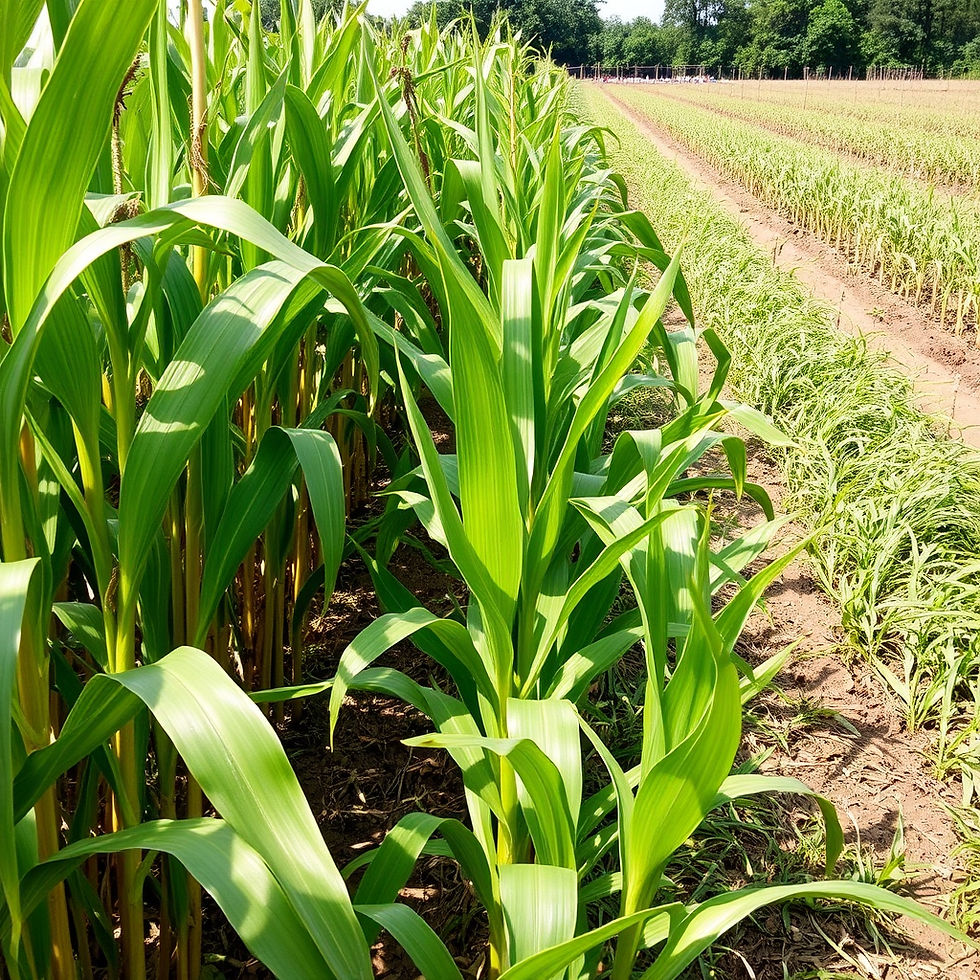
Strategic Crop Rotation Planning: This is the most powerful tool against wilt. Cyol’s planning engine suggests non-host crops (like maize or grasses) to rotate into your tomato fields. By starving the bacteria of their host for 2–3 years, you can naturally reduce the soil's pathogen load.
Bacterial Wilt is a heavy challenge, but you don't have to face it blindly. With Cyol, we turn the "unseen" bacteria into a manageable data point, helping you keep your fields productive and your harvests healthy.


Comments